Cotton-Blend Seamless Activewear: Soft Handfeel Without Losing Shape Recovery
- Share
- publisher
- HUCAI
- Issue Time
- Oct 13,2026
Summary
Gymshark's CottonMove collection sells cotton-blend seamless on a single line: it stretches like seamless and breathes like cotton. For brands, the commercial risk sits in recovery, wash shrinkage, pilling and colorfastness rather than in the handfeel. This guide sets out the knit construction, waistband structure and approval numbers to fix before bulk, using HUCAI Sportswear's real sampling and inspection standards.
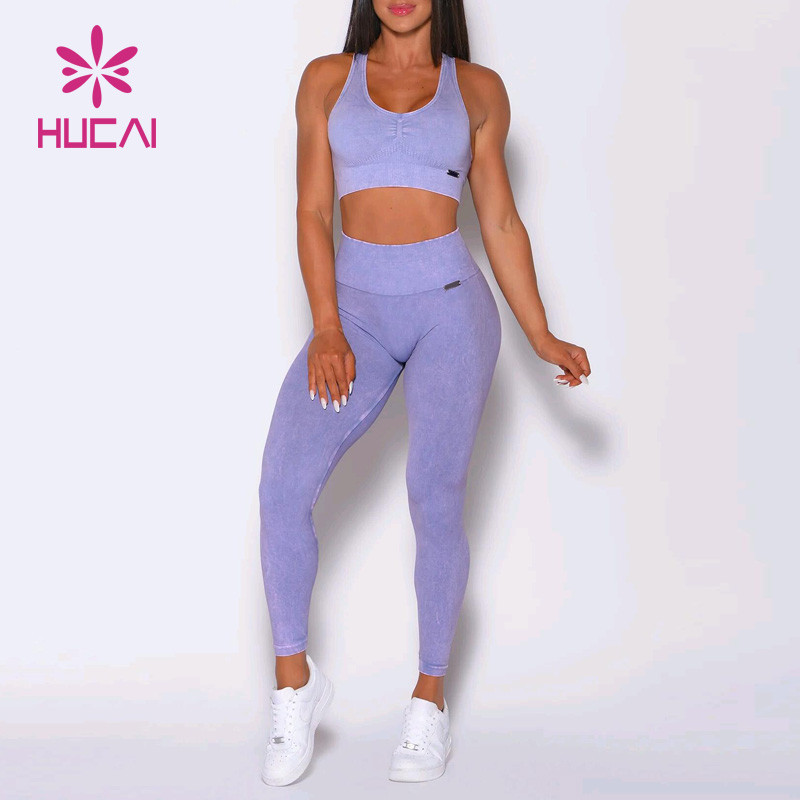
Cotton-Blend Seamless Activewear: Soft Handfeel Without Losing Shape Recovery
Cotton-blend seamless activewear is the fastest-moving brief in women's studio wear right now, because it promises two things that normally cancel each other out: a soft, cotton-like handfeel and a knit that springs back after wear. HUCAI Gymwear, engineered by HUCAI Sportswear, develops these fabrics for American brands that want the handfeel without inheriting the recovery complaints that follow cotton-rich knits. This guide works through the knit-engineering decisions, the approval numbers and the inspection points that decide whether a cotton-blend seamless capsule still holds its shape after twenty washes.
Gymshark's CottonMove collection is currently presented as new, and the brand summarizes the proposition in a single line: it stretches like seamless and breathes like cotton. The same family's halterneck sports bra is listed as a seamless, breathable cotton-blend knit built from 77% cotton, 14% nylon, 8% elastane and 1% polypropylene, while the cotton-blend seamless flared leggings are described officially as a durable cotton-blend fabric that holds its shape and snaps back.
Treat cotton-blend seamless as a knit construction, not a fiber claim. Specify the yarn band, the interlocking structure and the elastane percentage, then approve recovery, wash shrinkage, pilling and colorfastness on the finished garment. With a flexible MOQ of 100 pcs per style and color, HUCAI Gymwear can return a cotton-blend development sample in 7–10 working days.
- 1. What "cotton-blend seamless" means on a Tech Pack
- 2. Where shape recovery actually fails: waistband and knee
- 3. Dimensional stability: the approval numbers to write into the PO
- 4. Pilling, colorfastness and the cost of a cotton-rich surface
- 5. Scaling one handfeel across a full capsule
- 6. FAQ for American sourcing and product teams
1. What "cotton-blend seamless" means on a Tech Pack
Source and fact. The CottonMove range is sold on a two-part promise, and the second half of that promise is a fiber breakdown rather than a mood: the halterneck bra in the family carries 77% cotton, 14% nylon, 8% elastane and 1% polypropylene in a seamless knit. The brand's own wording is that it stretches like seamless and breathes like cotton.
Observation. Cotton handfeel is being resold as a performance property instead of a nostalgic one. The consumer is told the garment is soft and technical at the same time, which means the fabric now has to survive two kinds of scrutiny in the review section: how it feels, and how it performs.
Interpretation. A brief that says "cotton-feel seamless" without naming the knit structure leaves the yarn count, the gauge and the elastane ratio to whichever supplier quotes fastest. Cotton-rich yarns behave differently through the loop on a circular knitting machine, so the same fiber band can knit tight on one structure and open on another. That gap is what produces a sample that feels right and a bulk lot that does not.
Manufacturing recommendation. Write the fabric as construction plus fiber band on the Tech Pack — for example a cotton-rich single jersey or interlock with 12–20% elastane — and request lab dips plus a knit-density swatch before the first fit sample is cut. Approve the fabric on a finished garment instead of a flat swatch, because the handfeel changes once the knit is under tension. HUCAI Sportswear supports Pantone TPX and TCX dyeing on cotton-blend knits and returns a development sample in 7–10 working days, with a full pre-production sample round before bulk.
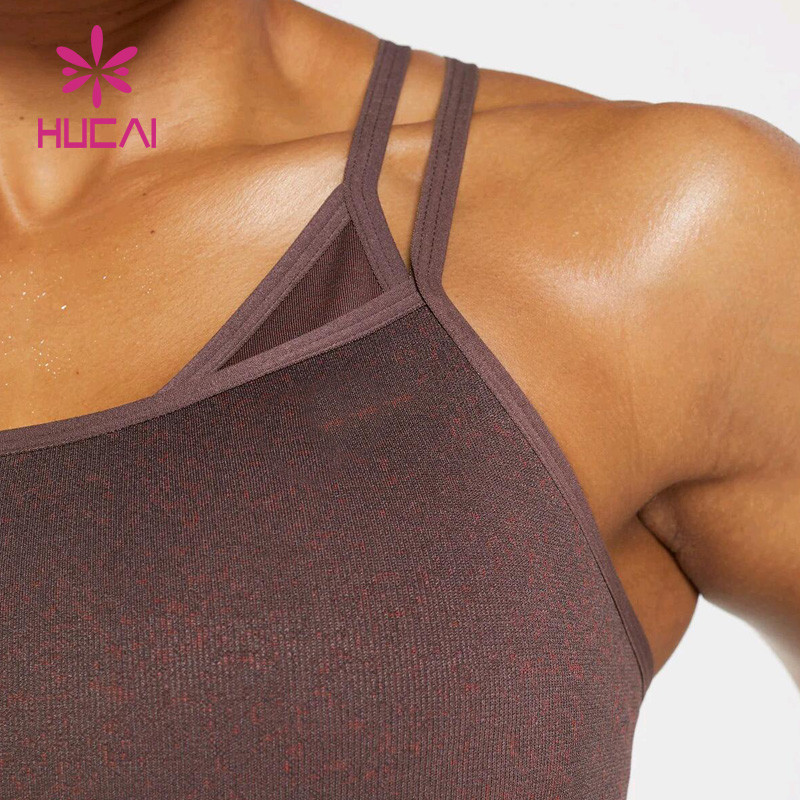
2. Where shape recovery actually fails: waistband and knee
Source and fact. Official product copy for the cotton-blend seamless flared leggings states that the fabric holds its shape and snaps back, and the leggings in the same range are described with an adjustable mid- or low-rise waist. The claim being marketed is recovery, not maximum compression.
Observation. Studios and everyday wearers are asking for comfort that looks structured, which is a different engineering target from the firm, high-compression leggings of the previous product cycle. Recovery has quietly become a comfort specification.
Interpretation. On a cotton-rich knit, the two places recovery fails first are the waistband, where the elastic band loses modulus and rolls over, and the knee, where the loop structure distorts after repeated squat-and-stretch cycles. Both failures typically appear after two to three weeks of wear, well after the customer has already formed an opinion about the fit.
Manufacturing recommendation. Turn recovery into numbers: band modulus, after-wash waistband height, and knee circumference measured after a fixed number of stretch cycles. Knit the waistband rib into the garment rather than sewing on a separate band, and test recovery per color and per size, because the largest size loads the same knit differently than the smallest. AQL 2.5 inspection then verifies that the shipped garment matches the approved numbers.
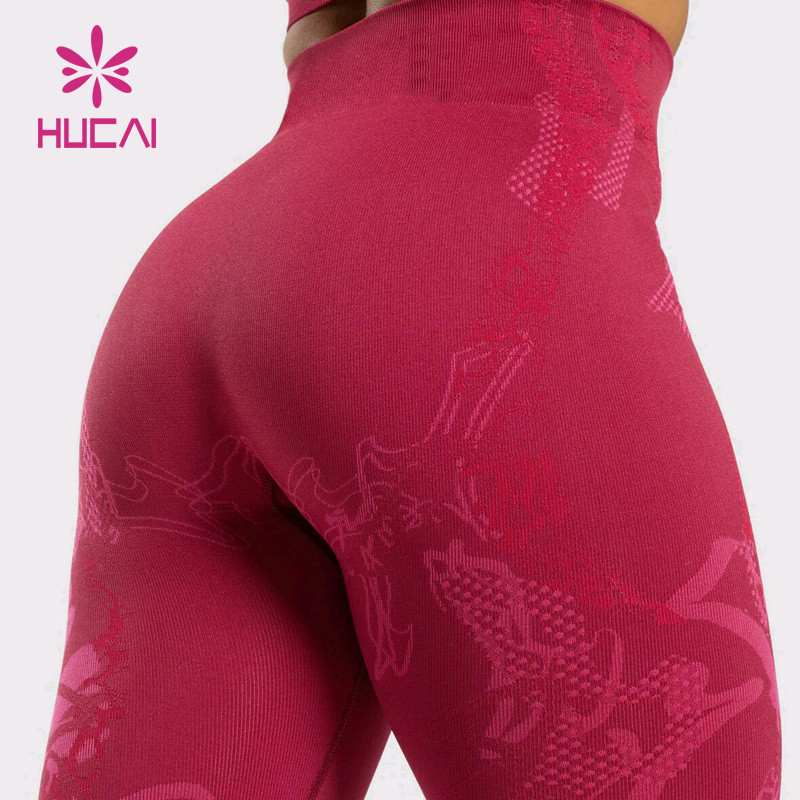
3. Dimensional stability: the approval numbers to write into the PO
Source and fact. The cotton-blend family is extended across leggings, flared leggings, shorts, a halterneck sports bra, and long- and short-sleeve tops. One fabric story is being used across several very different silhouettes.
Observation. A single handfeel stretched across a whole capsule is what makes a line look cohesive on a landing page, and brands are deliberately buying that consistency rather than a single hero style.
Interpretation. Cotton absorbs moisture and relaxes, so one shrinkage value cannot represent a whole capsule. A legging can measure on-spec while the long-sleeve top, cut on a different grain direction and stretched over the shoulders, drifts a half size after three washes. The brand then receives two complaints from the same customer about the same fabric.
Manufacturing recommendation. Run a wash-and-measure protocol for every silhouette in the capsule and every color, with results recorded before bulk. Inspect bulk to AQL 2.5 with a full key-measurement check rather than a spot check, and put the accepted wash-shrinkage range into the Tech Pack instead of leaving it in an email thread. Where a silhouette is known to drift, adjust the pattern block in development rather than compensating later with a larger cut.
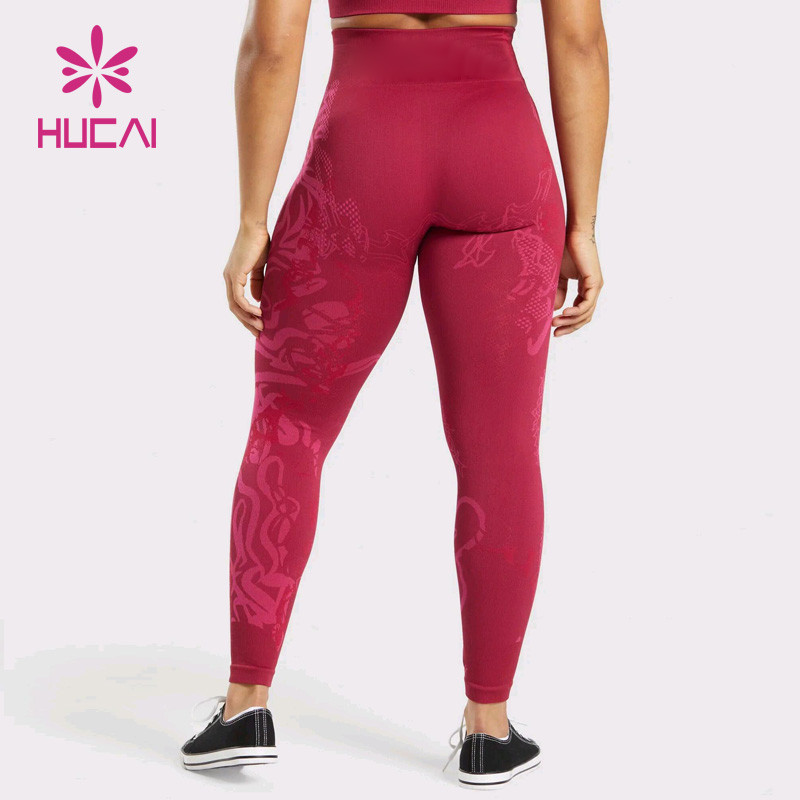
4. Pilling, colorfastness and the cost of a cotton-rich surface
Source and fact. Cotton-blend seamless is positioned for studio work, errands and travel inside the same day, so the garment is expected to look presentable in daylight rather than only under gym lighting.
Observation. With cotton-rich knits, buyers judge the product on how it looks after twenty washes, not on the impression it makes in the sample room. That shift moves the cost of a fabric decision from production to customer service.
Interpretation. Two complaints reach a brand's support desk before anything else: surface pilling around the inner thigh and waistband, and shade drift on mid and dark tones. Both are fabric-lot issues that cannot be repaired at the end of the line, and both are far more expensive to resolve after bulk than during development.
Manufacturing recommendation. Test pilling and colorfastness on the bulk lot, not only on the development swatch. Approve the same Pantone across every knit structure used in one set, and keep body fabric and trims from the same dye lot so the bra, the legging and the binding stay in step. These checks run in-house before shipment and the lab reports ship with the bulk, which is what an American buying team needs when it has to defend a shade to a retailer.
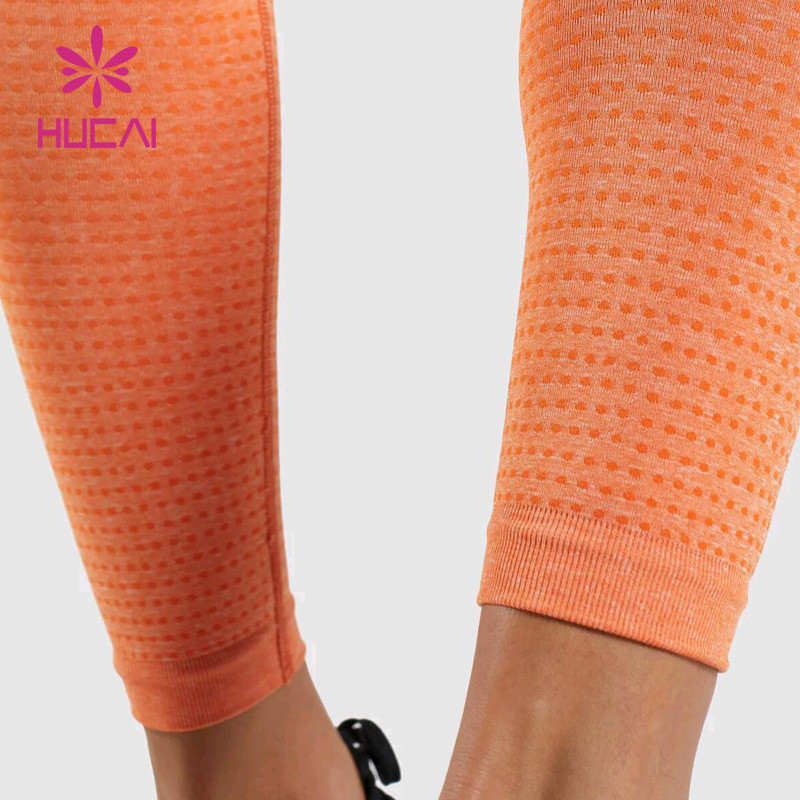
5. Scaling one handfeel across a full capsule
Source and fact. The market pattern behind this topic is deliberate expansion: a cotton-blend launch is taken from a single leggings style into a complete set of silhouettes, holding one recognizable handfeel from the bra to the layer.
Observation. Buyers respond to a handfeel they can recognize across a set. The bra and the legging have to feel as though they were made in the same room, even when they are bought months apart.
Interpretation. Every new silhouette normally triggers new paper patterns, a new fit round and new sampling cost, and that is where a small brand's development budget usually breaks. The fabric is rarely the problem; the pattern library is.
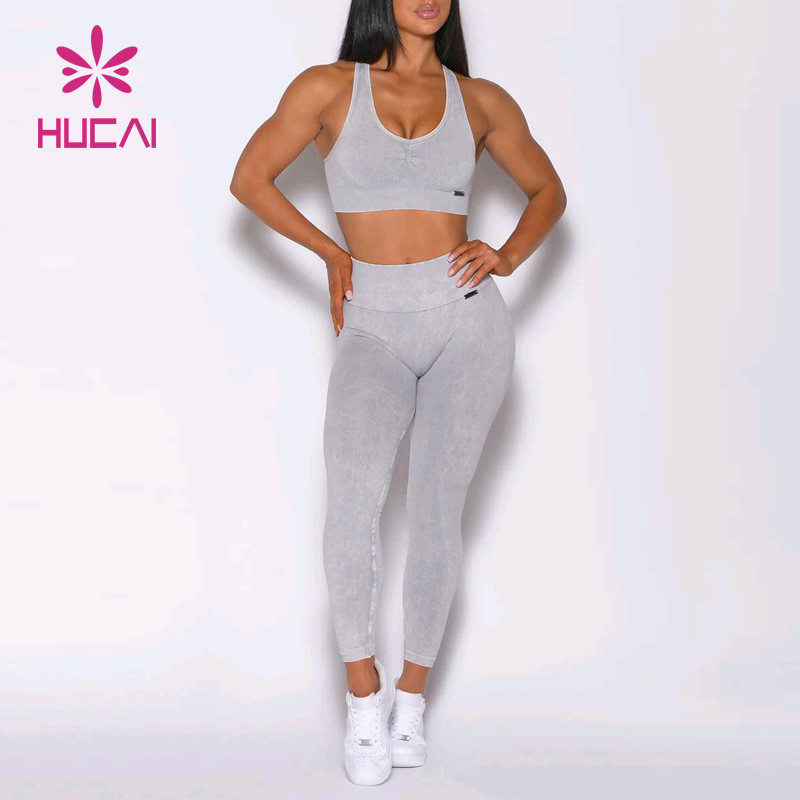
Manufacturing recommendation. Build one master block per fabric family and grade it across the capsule, keeping the rib and binding specification identical between tops and bottoms so the handfeel does not split. Finish the set with private label detail — tagless heat-transfer labels, woven side labels, custom hangtags and biodegradable frosted polybags carrying your own logo — so the capsule ships as a brand rather than as three unrelated garments. HUCAI Sportswear holds the whole capsule on one development schedule, which keeps the color, the knit and the fit approvals aligned.
From Jean Yuan's product-development perspective, the expensive mistake with cotton-blend seamless is choosing the fabric by how it feels in the hand on day one. Cotton-rich yarns relax after the first wash, and the waistband is where that shows up first: the band loses height, the rib rolls, and the garment stops matching the fit sample the brand approved. In the sample room here, the knit is approved after wash, at the largest size and under stretch, because recovery is a purchase-order number rather than a marketing word.
Decision check: matching the knit family to the product goal
| Knit family | Handfeel | Shape recovery | Suited to | Approval checks |
|---|---|---|---|---|
| Cotton-blend seamless | Dry, soft, cotton-like | Moderate; depends on a knit-in ribbed waistband | Studio, everyday athleisure, relaxed sets | Wash shrinkage, pilling, colorfastness |
| Cotton-touch performance knit | Soft, cooler surface | High; engineered elastic memory | Training, high-sweat sessions | Opacity under stretch, recovery, colorfastness |
| High-gauge nylon interlock | Smooth, sleek | High; firm contour | Sculpting leggings, compression styles | Opacity under stretch, band modulus |
Planning a cotton-blend seamless drop for the coming season? Begin with the fabric and the fit sample rather than a price list. The HUCAI Gymwear seamless sportswear range shows the knit structures currently running in production, and the private label seamless leggings program is the shortest route to a first sample in your own handfeel.
FAQ for American sourcing and product teams
Final takeaway
- Approve the fabric as a construction plus fiber band, not as a handfeel description.
- Fix recovery and shrinkage numbers per silhouette, per color and at the largest size before bulk starts.
- Test pilling and colorfastness on the bulk lot, because that is where customer-service cost is decided.
HUCAI Sportswear is a Dongguan-based women's gymwear manufacturer with in-house pattern development, 4-needle 6-thread flatlock stitching, AQL 2.5 inspection, flexible MOQ from 100 pcs per style and color, sampling at 7–10 working days and bulk production at 20–25 working days. To review the structures discussed here, start with the leggings range, the sports bra range and the private label program.